Table of contents
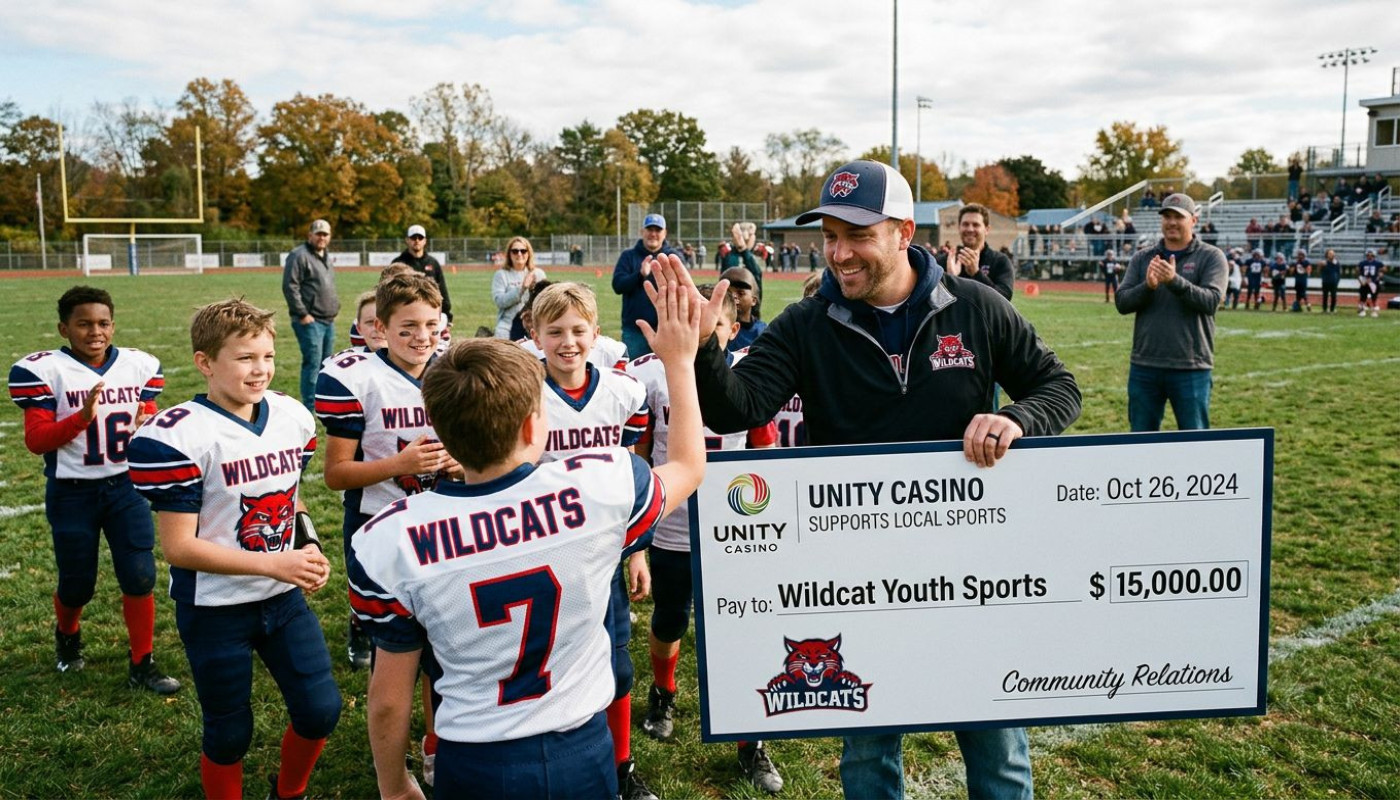
Stadium boards, training kits and “community nights” have become familiar sights in local sport, and so have the logos of betting and casino brands that fund them. With tighter rules on advertising, especially around youth exposure, these partnerships now sit in a greyer zone: are they a lifeline for semi-pro clubs facing rising travel and energy bills, or a sophisticated way to normalise gambling? The answer, in 2026, depends less on slogans and more on contracts, audience data, and what sponsors ask for in return.
Small clubs need cash, sponsors know it
Money is the blunt reality behind most deals, and the economics of local sport have rarely looked as tight. Energy costs, facility maintenance, insurance, medical cover and transport have all climbed, while grassroots revenue often remains fragile, tied to gate receipts, bar takings, and sporadic municipal support. For a club in the seventh tier of football or a regional basketball side, a “modest” five-figure agreement can pay for a season’s coach salary, subsidise youth team fees, or keep floodlights running through winter training.
That financial pressure is visible in the wider sports economy too. In English football alone, the sponsorship market is enormous: in the Premier League, shirt-front sponsorship deals are routinely worth tens of millions of pounds per season, a gulf that lower leagues can only look at from a distance, yet the same inflationary logic trickles down. When top-flight teams raise commercial expectations, everyone else feels the squeeze, and local clubs find themselves competing for a shrinking pool of sponsors that are both cash-rich and willing to take reputational risk.
Gambling brands, including online casinos, are unusually well-positioned for this environment because they can deploy marketing budgets quickly, target geographically with precision, and measure outcomes in ways a local car dealership cannot. The pitch is simple and persuasive: “We’ll fund your club, and in exchange, we get visibility, content, and access.” For a chairman juggling overdue invoices, that can sound less like marketing theory and more like survival. Yet the detail matters, because sponsorship rarely stops at a logo on a shirt.
In many agreements, deliverables extend to social media posts, player appearances at promotional events, branded highlights, and hospitality inventory. Those additions are not incidental; they are where the return on investment is often generated, and where the ethical questions sharpen. A logo on perimeter boards is passive, but a weekly stream featuring branded odds, a player interview filmed next to a sponsor backdrop, or a “fan of the match” activation tied to a betting product, can be active marketing that reaches far beyond the stadium gate.
That is why the debate is not only “should clubs take the money?”, it is “what is being sold alongside the money?” Local sport has always relied on patrons, and sponsors have always enjoyed status, but gambling sponsorship brings a product with known social harms into spaces that are, by design, family-facing. The tension is structural: clubs need funding, and gambling brands need attention, and both sides have incentives to frame the relationship as community support.
Brand visibility is only half the story
Look closer and the modern playbook becomes obvious: data, engagement, and trust. Sponsorship is no longer just an exercise in being seen; it is a method of being believed. Local teams offer something rare in advertising, a sense of authenticity, because supporters feel they “own” the club in a way they never will with a global influencer campaign. When a sponsor appears to back the team, the brand borrows that goodwill, and the borrowing can be remarkably efficient.
Digital targeting has accelerated this shift. A sponsor can align with a club and then retarget the club’s followers with ads, build lookalike audiences, and test which messages convert best, all without needing a national television campaign. Even when clubs do not share personal data directly, the ecosystem of social platforms and cookies can allow sponsors to optimise spend around the club’s online footprint. The result is that a local sponsorship can function like a performance marketing funnel, where “community support” becomes the top of a pipeline.
That is also where regulatory and reputational boundaries come in. In the UK, gambling advertising has faced sustained scrutiny, and football has moved toward reducing gambling branding on shirts in the top flight, while broader rules around protecting under-18s have tightened over time. Local clubs operate with fewer compliance resources, which can make them more vulnerable to accidental breaches: a junior tournament photo posted under a sponsor banner, a youth player standing in front of a branded backdrop, or an overly promotional caption can quickly become a problem.
It is not only regulators that matter; it is parents and community stakeholders. A rugby club might accept a sponsorship that keeps membership fees low, then face backlash when a sponsor’s logo appears on academy kit. A women’s team might welcome funding for travel and physio support, then find that a sponsor’s activations dominate matchday messaging. The “hidden marketing” claim often arises here, because what begins as general support can shift into integrated promotion that supporters did not explicitly consent to.
Some brands, aware of the sensitivity, try to reposition themselves as part of a “choice” ecosystem, emphasising personal responsibility and alternative options. That is where consumer interest in casinos not on Gamstop has also become part of the broader conversation about how gambling is accessed, regulated and marketed, and why certain audiences respond differently to sponsorship messages. Whether one sees that as empowerment or as a loophole depends on perspective, but from a marketing standpoint it highlights a key reality: sponsorship does not operate in a vacuum, it connects to changing consumer behaviour and to debates about control, exclusion and protection.
Ultimately, the “half-story” is visibility, and the other half is the relationship capital clubs provide. When a sponsor is woven into matchday rituals, fan content and community events, the brand is no longer just advertising, it is participating. That participation can be genuine, but it can also be highly strategic, designed to convert trust into clicks, registrations and deposits.
What clubs actually gain beyond the cheque
Not all value is cynical, and that is what makes the issue complicated. A well-structured sponsorship can deliver real improvements: upgraded pitches, safer facilities, subsidised youth programmes, and staff who can move a club from volunteer chaos to professional stability. In towns where public budgets are stretched, private money can keep sport accessible, and accessibility has measurable social effects, from physical health to reduced isolation.
Clubs often use sponsorship funds to cover participation costs that otherwise fall on families. That can mean lower monthly subscriptions, discounted equipment, or travel support for away fixtures. These may sound like minor line items, but they are often decisive, because grassroots sport drops off when costs rise. A sponsor paying for a minibus or match officials can be the difference between fielding a team and forfeiting a season. When people argue that gambling brands “buy influence,” clubs counter that they also buy inclusion.
There is also the professionalism effect. Sponsorship can fund safeguarding training, first-aid provision, improved coaching qualifications, and better medical protocols, and those are not luxuries. Community clubs increasingly face expectations similar to larger organisations, including safeguarding standards, governance transparency and facility compliance. Money helps them meet those standards, and when it comes with expertise, such as help with social media production or event logistics, clubs can build skills that outlast the sponsorship term.
However, benefits become murkier when sponsorship is tied to performance-based incentives or aggressive activation. If a contract includes bonuses for social engagement targets, mandated posting schedules, or requirements to feature players in promotional content, the club’s communications can become sponsor-first. That shifts the culture, and it can create internal tension: coaches may feel pressure to participate, volunteers may feel uncomfortable posting gambling content, and parents may worry about what their children are being exposed to.
Governance is the difference between uplift and dependency. Clubs that treat sponsorship as a diversified revenue stream, with clear rules on youth exposure, messaging, and community safeguards, can extract benefits while limiting harm. Clubs that rely on one sponsor to cover core costs can become captive, reluctant to question activations or to walk away if community sentiment turns. In that scenario, the cheque is not just support; it is leverage.
In practical terms, clubs gain most when agreements are transparent: where the money goes, what is expected, what content is required, and what protections apply. Clear boundaries around junior teams, social media content involving under-18s, and matchday signage placement can prevent conflict. The problem is that not every club has legal advice, and not every sponsor is eager to simplify a contract that could otherwise deliver a strong marketing return.
How to tell support from soft power
The easiest test is to follow the deliverables. If the sponsor’s presence is limited, proportionate and clearly separated from youth activities, the partnership looks more like support. If it is omnipresent, integrated into content, and designed to capture attention online, it starts to look like soft power. That does not automatically make it wrong, but it should change how communities evaluate it.
A second test is whether the sponsor funds things that are visibly public goods. Paying for pitch repairs, disability access, women’s team travel, or safeguarding infrastructure is materially different from funding branded fan zones built to drive sign-ups. Communities can accept the first while rejecting the second, yet contracts often bundle them together, with the “public good” element providing moral cover for heavier marketing elsewhere.
Third, watch the audience. Local sport is inherently intergenerational, and that is precisely why gambling sponsorship is controversial. If club communications cannot avoid placing gambling branding near youth content, the risk rises sharply. The practical safeguard is simple but demanding: separate channels, separate events, and careful moderation of what is posted, where and when. Clubs that cannot implement those controls should think twice, because the reputational blowback can be swift, and the long-term trust cost may exceed the money gained.
Finally, consider exit terms. Genuine community support tends to be stable and predictable, while marketing-driven sponsorship can be ruthlessly transactional, increasing spend when conversion is good and cutting it when metrics fall. If a contract allows a sponsor to pull funding quickly, or if it contains clauses that penalise the club for reputational events outside its control, the partnership is designed primarily to protect the brand, not the community. A club should ask: “Will we still be okay if this ends next season?” If the answer is no, the deal may be creating dependency rather than resilience.
None of this requires assuming bad faith. Casinos can genuinely want to be seen as local stakeholders, and clubs can genuinely need the money. But good intentions do not remove marketing incentives, and in an era where attention is monetised with precision, the safest approach is to treat sponsorship as both philanthropy and advertising, then regulate it accordingly at club level.
Before signing, ask these practical questions
Budget first: clubs should cost the season, then decide what the sponsorship must cover, and what it must not control. Ask for a fixed fee rather than purely performance-linked payments, and ring-fence funds for community priorities such as youth subsidies, safeguarding, and facility safety, because those items are easiest to defend publicly and hardest to cut later.
Reservation and planning matter too. Put key dates in writing: when branding goes up, which matches include activations, and which events are off-limits, especially anything involving under-18s. If local authorities or leagues offer grants, facility subsidies, or energy-efficiency support, combine them with sponsorship rather than replacing public money with private marketing, and keep the agreement reviewable annually so the community can reassess without drama.
On the same subject

How Advanced Gaming Engines Enhance Your Online Casino Experience

Strategies To Win Big In Poultry-inspired Gambling Games

Exploring The Rise Of Classic Slot Features In Modern Online Games

Exploring The Appeal Of Overseas Casino Platforms For UK Players

Exploring The Thrill Of Live Dealer Games In Online Casinos

Exploring lesser-known table games at online casinos for unique betting experiences

Exploring The Reliability Of Popular New Casino Games

Understanding Plinko Game Features: Interface, RTP, And Winning Potential

Unlocking the secrets of low volatility slots for consistent wins

Maximizing Your Wins With Progressive Welcome Bonuses In Online Casinos

Exploring The Role Of Top Game Providers In Online Casinos

Exploring The Rising Popularity Of Road Crossing Casino Games

The Allure Of Mega Jackpots In Online Casino Games

How To Find And Interpret The RTP In Online Casino Games

Exploring The Thrills Of Jetpack-Themed Casino Games

Exploring The Future Of Online Casino Games And Trends In 2024

Exploring The Thrills Of High-Quality Online Gaming: Bonuses, Secure Betting, And Live Entertainment

Exploring The Thrills Of Multiplier Wheels In Online Casino Games: Strategies, Tips, And Player Experiences

Strategies For Maximizing Winnings In Plinko Games

Exploring The Impact Of Virtual Reality On Online Casinos In The UAE

Maximizing Your Welcome Bonus: Strategies For New Players

Maximizing Your Welcome Bonus: Smart Strategies For Casino Enthusiasts

Unraveling the Psychology Behind High-Rollers

Decoding the Psychology Behind Casino Designs

Unmasking the Algorithm: Casino Games and AI

Unveiling the Psychology Behind Casino Design
